Understanding Prohibitory Injunctions: The Case of Fort Bengħajsa
11 August 2025 | Civil Law
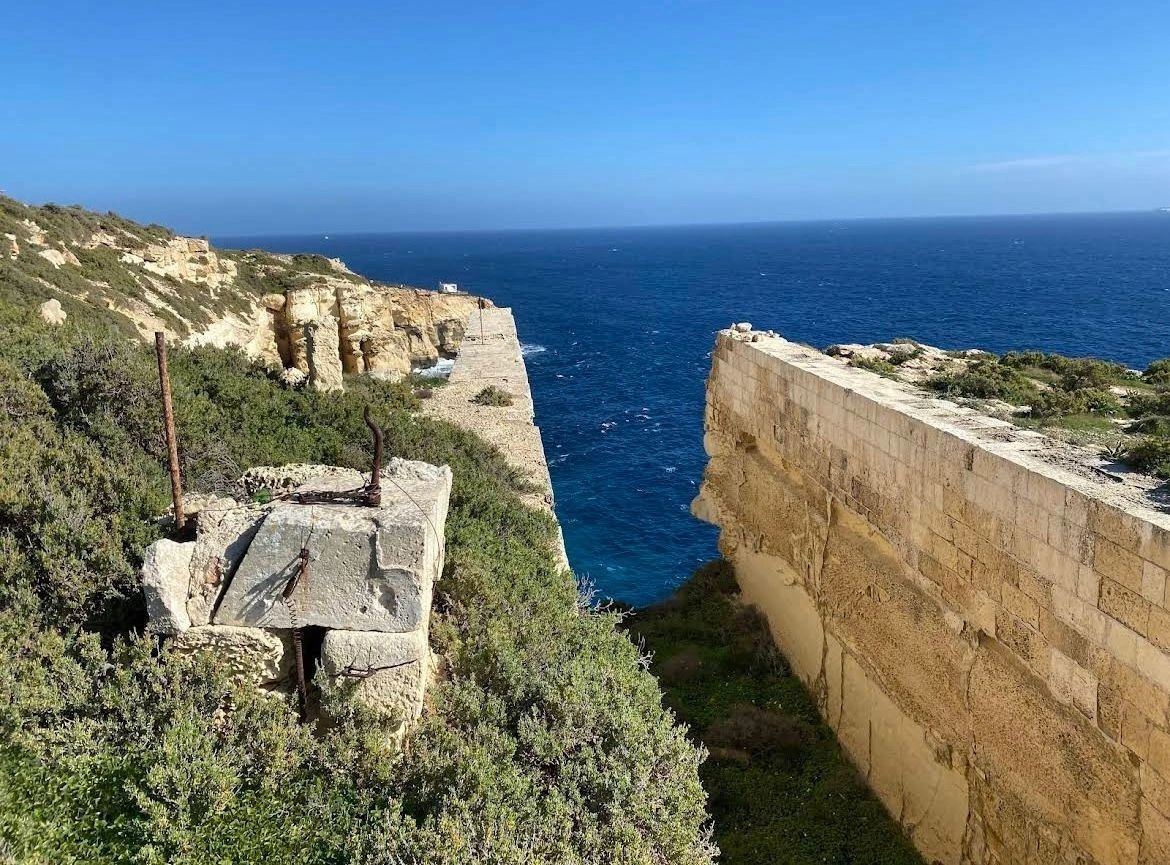
In a recent case before the First Hall, Civil Court in the names Louis sive Luigi Vella et vs. Awtorità tal-Artijiet, the plaintiff, Vella, filed an application against the Lands Authority after receiving a judicial letter dated 29th February 2024. Through this letter, the Authority ordered him to vacate the premises known as Plot 2B within Fort Bengħajsa, Birżebbuġa.
What is a Warrant of Prohibitory Injunction?
A warrant of prohibitory injunction is a precautionary remedy intended to prevent the commission of an act that threatens to compromise the rights of any individual or entity. This remedy is regulated by strict criteria, all of which must be satisfied cumulatively in order for the Court to uphold such a request.
This was clearly reiterated in the case Apassionata Park Munchen GMBH & Co KG Malta vs St. George Edition Limited (C40902) (2nd March 2017), where the Court stated that by law, the applicant must establish two elements in order to be entitled to benefting from the warrant of prohibitory injunction:
· First, it must be shown that the warrant is necessary to safeguard the rights being claimed;
· Second, that the applicant appears to have, on a prima facie basis, those rights.
The requirement to demonstrate that the applicant has a prima facie right is objective, and is therefore not left to the discretion of the judge. The law stipulates that the two elements are cumulative and not alternative. If either of the two is not present, the Court must reject the request.
The Request for the Injunction and the Plaintiff’s Arguments
By means of this application, Vella sought a warrant of prohibitory injunction from the Court to prevent the Lands Authority from proceeding with the eviction. He argued that, notwithstanding the said letter, the Authority had accepted payment of rent up until March 2025, and this acceptance should be interpreted as a recognition that the lease is to remain valid until that date. The application also pointed out that other occupants within Fort Bengħajsa had been granted alternative premises upon eviction, and thus, Vella claimed he too should be granted equal treatment.
The Position of the Lands Authority
According to the Authority, Vella was in breach of the terms of the 1981 lease agreement.
The Authority, for its part, alleged that Vella was not using the premises for dairy cattle farming as stipulated in the mentioned contract, but rather that it was being used for residential purposes; that certain structural changes had even been made to the premises without any authorization; and that despite the original contract indicating that the premises were leased solely to Louis Vella, several other individuals were living there without any valid legal title.
The Authority stated that all this was clearly explained in the judicial letter referenced above, which was sent in accordance with Article 12(1) of Chapter 573 of the Laws of Malta. This article provides a 20-day timeframe from notification for the recipient to oppose the eviction through a formal application before the Administrative Review Tribunal. Since no such application was filed, the Authority maintained that the eviction order acquired the status of res judicata, in accordance with the same article.
The Court’s Decision and the Criteria necessary for the granting of a Warrant of Prohibitory Injunction
In its decree of the 27th of February 2025, the Court emphasised that the warrant of prohibitory injunction is an extraordinary and precautionary remedy. As such, in order for it to be granted, 3 cumulative conditions must be satisfied:
1. Proof of a prima facie right;
2. The necessity of the warrant to safeguard such right;
3. Proof of periculum in mora, i.e., the risk of serious prejudice if the warrant is not granted.
After analyzing the facts, the Court was of the opinion that there was no prima facie evidence to support the issuance of this warrant of prohibitory injunction.
Consequently, since this fundamental condition was not fulfilled, the Court did not proceed with the examination of the remaining elements. It revoked the provisional decree which had initially upheld the application for a warrant of prohibitory injunction and subsequently rejected the request for such warrant.
______________________________________________________
F’każ reċenti quddiem il-Prim’Awla tal-Qorti Ċivili fl-ismijiet Louis sive Luigi Vella et vs. L-Awtorita’ tal-Artijiet, ir-rikorrent Vella ressaq rikors kontra l-Awtorità tal-Artijiet wara li ġie notifikat b’ittra uffiċjali datata 29 ta’ Frar 2024, fejn l-Awtorita’ talbitu sabiex jiżgombra mill-fond magħruf bħala Plot 2B fi ħdan Forti Bengħajsa, Birżebbuġa.
X’inhu il-Mandat ta’ Inibizzjoni?
Il-mandat ta’ inibizzjoni huwa rimedju kawtelatorju li jservi sabiex jipprevjeni li jsir att li jhedded id-drittijiet ta’ kwalunkwe persuna jew entita’. Dan ir-rimedju huwa regolat minn diversi kriterji li għandhom jiġu sodisfatti kumulattivament.
Dan ġie ribadut b’mod ċar fis-sentenza Apassionata Park Munchen GMBH & Co KG Malta vs St. George Edition Limited (C40902) (2 ta’ Marzu 2017), fejn il-Qorti qalet dan li ġej:
“Tqis li bil-liġi, jeħtieġ li l-parti rikorrenti turi żewġ ħwejjeġ biex ikun jistħoqqilha tikseb il-ħruġ ta’ Mandat bħal dak:
· L-ewwel ħaġa li trid turi hi li l-mandat huwa meħtieġ biex jitħarsu l-jeddijiet pretiżi minnha;
· It-tieni ħaġa hi li r-rikorrent jidher li għandu, mal-ewwel daqqa t’għajn (prima facie), dawk il-jeddijiet.
Il-ħtieġa li jintwera li l-parti li titlob il-ħruġ ta’ Mandat bħal dan ikollha prima facie l-jeddijiet pretiżi hija ħtieġa oġġettiva u mhux soġġettiva li tiddependi mid-diskrezzjoni tal-ġudikant. Minn kliem il-liġi nfisha, iż-żewġ elementi huma kumulattivi u mhux alternattivi. Jekk xi wieħed minn dawn iż-żewġ elementi ma jirriżultax, il-Qorti għandha tiċħad it-talba.”
It-Talba għal Mandat u l-Argumenti tar-Rikorrenti
Permezz ta’ rikors ippreżentat quddiem il-Qorti, Vella talab lill-Qorti għall-ħruġ ta’ mandat ta’ inibizzjoni sabiex iwaqqaf lill-Awtorità tal-Artijiet milli tkompli bl-eżekuzzjoni ta’ żgumbrament. Huwa sostna li, minkejja l-ittra li ntbagħtet, l-Awtorità kienet aċċettat ħlas ta’ kera sa Marzu 2025, u dan għandu jitqies bħala rikonoxximent tal-fatt li l-kirja kellha tibqa’ fis-seħħ sa dak iż-żmien. Ir-rikors enfasizza wkoll li diversi okkupanti fil-Forti ngħataw fond alternattiv meta ntalbu biex jiżgombraw, u għaldaqstant, skont Vella, huwa kellu jingħata l-istess trattament.
Il-Pożizzjoni tal-Awtorità tal-Artijiet
Skont l-Awtorità, Vella kien qiegħed jikser il-kundizzjonijiet tal-kuntratt tal-kera tas-sena 1981.
Min-naħa tagħha, l-Awtorita’ allegat illi Vella ma kienx qiegħed juża l-fond għat-trobbija tal-baqar tal-ħalib kif stipulat fil-kuntratt imsemmi, iżda kien qiegħed jintuża għal skopijiet residenzjali, sahansitra illi saru certu bidliet strutturali fil-fond mingħajr ebda awtorizzazjoni; u minkejja l-fatt li l-kuntratt oriġinali juri li l-fond kien mikri biss lil Louis Vella, fil-fond kienu qegħdin jgħixu diversi persuni oħra mingħajr ebda titolu validu fil-liġi.
L-Awtorita’ saħqet li dan kollu ġie spjegat permezz tal-ittra uffiċjali fuq imsemmija, li ntbagħtet ai termini tal-Artikolu 12(1) tal-Kap. 573. Dan l-artikolu jagħti terminu ta’ għoxrin (20) jum min-notifika ta’ din l-ittra sabiex wieħed jopponi l-iżgrumbrament permezz ta’ rikors quddiem it-Tribunal ta’ Reviżjoni Amministrattiva. Iżda dan ma seħħx. Għal din ir-raġuni, id-deċiżjoni tal-iżgumbrament saret res judicata, u dan skont l-istess artikolu.
Id-deċiżjoni tal-Qorti u l-Analiżi tal-Kriterji Fundamentali sabiex tintlaqa’ talba għal mandat ta’ inibizzjoni
Permezz ta’ digriet li ngħata nhar is-27 ta’ Frar, 2025, Il-Qorti enfasizzat li l-mandat ta’ inibizzjoni huwa rimedju straordinarju u kawtelatorju, u għaldaqstant, sabiex din it-talba tintlaqa’, għandhom jiġu sodisfatti tliet kundizzjonijiet kumulattivi:
1. Prova ta’ jedd prima facie;
2. Il-mandat għandu jkun meħtieġ biex jiġu protetti dawk id-drittijiet;
3. Prova ta’ periculum in mora u cioe preġudizzju serju f’każ ta’ nuqqas ta’ mandat.
Wara li analizzat il-fatti, il-Qorti kienet tal-opinjoni li ma kien hemm l-ebda evidenza prima facie biex tissapporti l-hrug ta’ dan il-mandat ta’ inibizzjoni.
Minħabba li l-ewwel rekwiżit fundamentali ma ġiex sodisfatt, il-Qorti ma komplietx bl-analiżi tar-rekwiżiti, u irrevokat id-digriet proviżorju fejn intlaqat it-talba għall-mandat ta’ inibizzjoni u sussegwentement ċaħdet it-talba għall-istess mandat.
By Dr. Maurice Meli and Ms. Maya Thornton